Q0 BIO: the natural cellulose route
Renewable forest: The source of the raw material; supply and documentation information is tracked with the product.
Cellulose: A natural polymer obtained from wood and the basis of fibre production.
Fibre: The cellulose is converted into fibres that can be used in textiles.
Yarn: The fibres are turned into a yarn suited to the product's structure. This step does not apply to nonwoven surfaces.
Fabric: The yarn or fibre becomes a woven or nonwoven surface.
You will find this route mostly in NEWSOUL's hygiene textiles; VOA and OWMO also offer BIO options.
Q0 ECO: the recycled PET route
Waste PET: Collected bottles are the starting point of the material.
Sorting and washing: The material is separated by type and colour and cleaned.
Granulate: The cleaned material is melted and turned into reprocessable granulate.
Microfilament: Very fine filaments are produced from the granulate.
Technical surface: The filaments are bonded together into a nonwoven technical textile surface.
You will find this route mostly in FRIGG's reusable textiles; VOA and OWMO also offer ECO options.
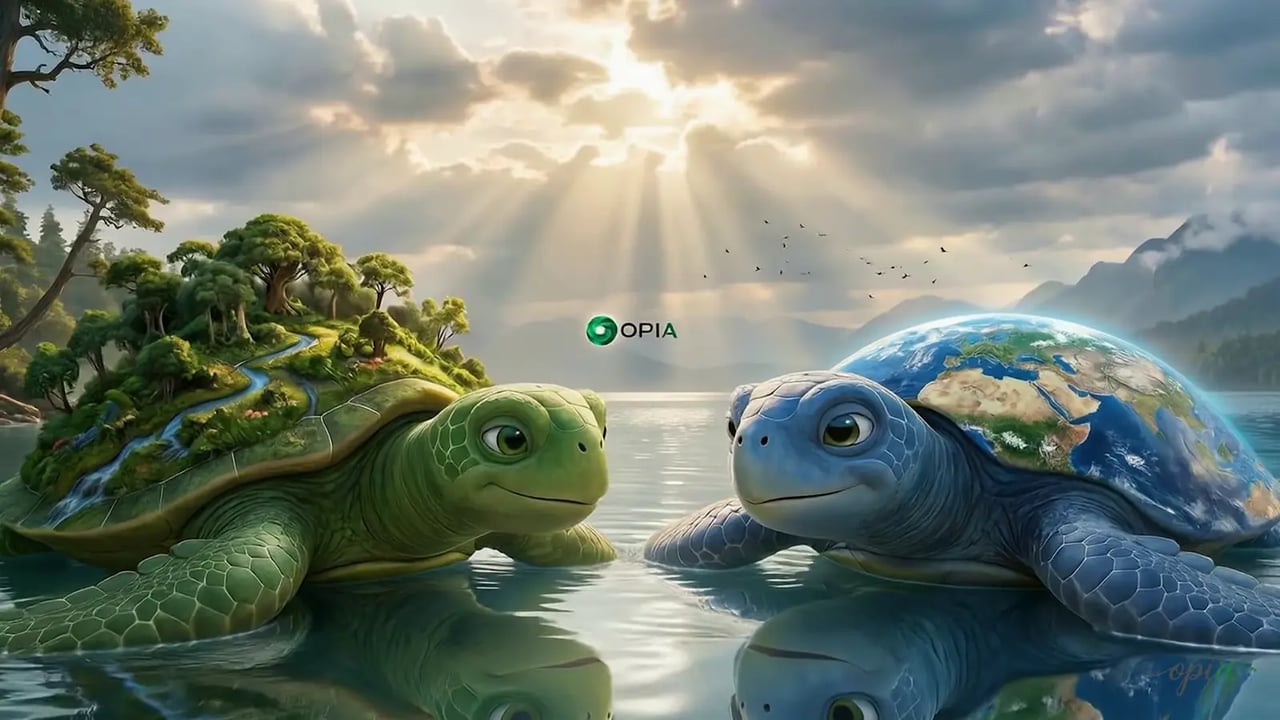
The routes do not mix
Evidence with its scope, not claims
Being naturally sourced or containing recycled material does not on its own prove every environmental result of a product. Results such as recycled content share, performance, biodegradability and carbon are shared only with the test report and scope of the product concerned.
You can find more about the routes on our technology page. For your project, get in touch with us.